How Childhood Trauma Shapes Adult Emotional Health
Category: Trauma

Topic Of Discussion
Childhood is often idealized as a carefree season of innocence, safety, and joy. But for many people, childhood also holds painful experiences that leave lasting emotional wounds. Trauma during childhood can shape the way we think, feel, and connect with others well into adulthood.
Sometimes, the effects are obvious. Other times, they quietly show up in everyday life: difficulty trusting people, fear of abandonment, emotional overwhelm, chronic anxiety, people-pleasing, or feeling constantly “on edge.” Many adults don’t immediately realize that their current struggles may be rooted in experiences from years ago.
The truth is, childhood trauma doesn’t simply disappear with age. It often follows people into adulthood, influencing emotional health, relationships, self-esteem, and coping patterns in ways that can feel confusing or exhausting. But while trauma can leave deep impacts, healing is possible.
How Childhood Trauma Impacts Emotional Health in Adulthood
Childhood trauma affects the nervous system during some of the most important developmental years of life. When a child grows up in an environment that feels unsafe, unpredictable, neglectful, or emotionally painful, the brain and body learn to stay alert for danger. As adults, this can create emotional and psychological challenges that feel difficult to control.
Anxiety and Depression
Many adults with unresolved childhood trauma experience persistent anxiety, sadness, or hopelessness. Their nervous system may remain in a heightened state of stress, making it hard to fully relax or feel emotionally safe. Even in calm situations, the body may continue responding as though danger is nearby. This can lead to racing thoughts, overthinking, panic, emotional exhaustion, or difficulty feeling joy and connection.
Intense Emotional Reactions
Trauma survivors often struggle with emotional regulation. Small conflicts or disappointments may trigger overwhelming reactions because the nervous system learned early on to stay in survival mode. Some people experience anger or irritability, while others shut down emotionally, become tearful, or feel numb altogether. These reactions are not signs of weakness; they are often protective responses developed during difficult experiences in childhood.
Negative Self-Perception
Childhood trauma can deeply affect a person’s sense of self-worth. Many adults carry beliefs that they are “too much,” not good enough, unlovable, or somehow broken. These beliefs often develop when children internalize painful experiences that were never their fault. Over time, shame and self-criticism can become deeply ingrained, impacting confidence, relationships, and emotional wellbeing.
The Impact of Trauma on Adult Relationships
For most people, childhood trauma influences the way they navigate adult relationships. Whether through fear of abandonment, trust issues, emotional distance, or people-pleasing tendencies, past experiences often shape present-day connection patterns.
Fear of Abandonment or Emotional Distance
Some adults develop an intense fear of being left, rejected, or unloved. This can lead to anxious attachment, reassurance-seeking, or difficulty feeling secure in relationships. Others respond in the opposite way by avoiding vulnerability altogether. They may struggle with intimacy, pull away emotionally, or fear becoming too dependent on others.
Difficulty Trusting Others
When trust was broken during childhood, learning to trust again can feel incredibly vulnerable. Adults who experienced trauma may struggle to believe others will remain consistent, supportive, or emotionally safe. As a result, relationships may feel emotionally exhausting, confusing, or difficult to maintain.
Repeating Painful Patterns
Many people unknowingly recreate familiar relationship dynamics from childhood. They may find themselves drawn to emotionally unavailable, critical, or unpredictable partners because those patterns feel familiar, even when they are painful. Trauma can create unconscious cycles that continue until healing and self-awareness begin to interrupt them.
Healing Childhood Trauma and Strengthening Emotional Health
While childhood trauma can have lasting effects, healing is absolutely possible. With support, self-awareness, and intentional healing work, adults can build healthier relationships with themselves and others.
Set Healthy Boundaries
If you often overextend yourself, struggle to say “no,” or feel resentful in relationships, boundary-setting may be an important part of healing. Healthy boundaries are not about pushing people away. They are about creating emotional safety within your relationships.
Practice Self-Care
Self-care plays an important role in emotional healing. This can include getting enough sleep, nourishing your body, spending time outdoors, engaging in hobbies, exercising, or creating moments of rest and joy throughout your week. When you care for your emotional and physical wellbeing, you increase your capacity to manage triggers, regulate emotions, and connect more fully with others.
Be Mindful of Emotional Triggers
When strong emotions surface in relationships, pause and ask yourself:
“Is this reaction about the present moment, or is it connected to something deeper from my past?”
Practices like journaling, grounding exercises, mindfulness, or deep breathing can help create space between emotional triggers and impulsive reactions. Over time, this awareness helps build emotional regulation and self-understanding.
Acknowledge Your Story with Self-Compassion
Healing begins with acknowledging the impact of your experiences without judgment. Self-compassion is a crucial part of recovery. Learning to replace harsh self-criticism with kindness and understanding can help rebuild self-worth and emotional resilience.
Reconnect with Your Inner Child
The idea of the “inner child” reflects the younger parts of ourselves that still carry unmet emotional needs, painful memories, and survival patterns from childhood. Inner child work involves reconnecting with those younger parts from a compassionate adult perspective. It allows people to begin offering themselves the safety, validation, comfort, and care they may not have received growing up. This process can help reduce emotional reactivity and create a deeper sense of wholeness and healing.
Seek Professional Support
Healing from childhood trauma often requires support. Therapy can provide a safe space to process painful experiences, build emotional regulation skills, and develop healthier patterns in relationships.
For some individuals, approaches like Eye Movement Desensitization and Reprocessing (EMDR) can be especially effective. EMDR helps the brain process traumatic memories so they no longer feel as emotionally overwhelming in the present.
Trauma-informed therapy can help you move beyond survival mode and begin building a life rooted in safety, connection, and emotional wellbeing.
You Are Not Defined by Your Trauma
Childhood trauma can shape adult emotional health in profound ways, but it does not define who you are or determine your future. Healing takes time, patience, and support, but change is possible.
With self-awareness, healthy coping tools, compassionate support, and professional guidance, you can begin to break old patterns, strengthen emotional health, and build healthier, more fulfilling relationships.
If you’re struggling with the effects of childhood trauma, know that you do not have to navigate it alone. Support and healing are possible, and taking the first step toward help can be one of the most powerful acts of self-care. If you’re ready to take that first step,contact us today. A stronger, healthier version of yourself is worth it, and so is the courage it takes to get there.
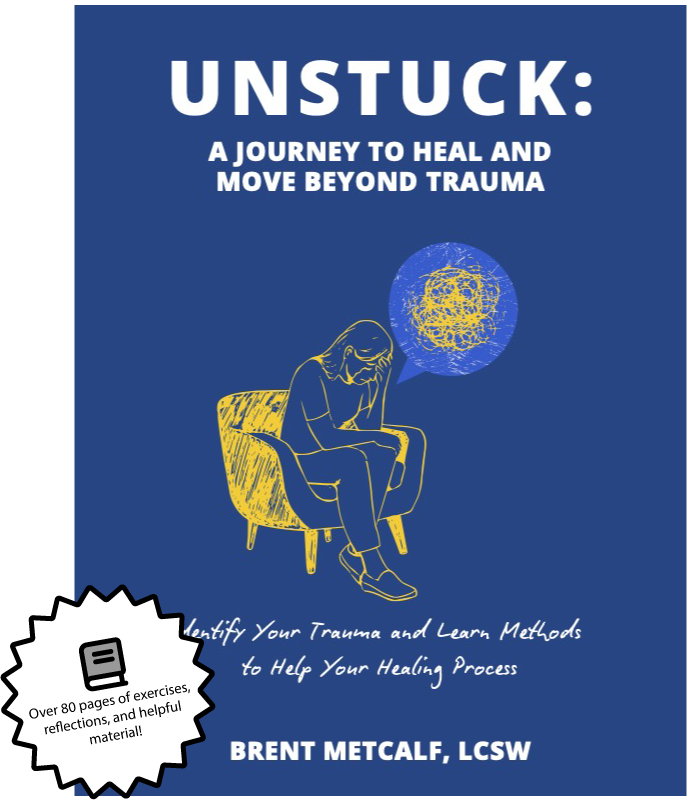
Identify Your Trauma Learn Methods to Help Heal Start Your Healing Journey Today!
The UNSTUCK workbook is designed to help you move beyond trauma by answering key questions like, Can you get stuck at the age your trauma happened? Through guided exercises, you’ll explore different types of trauma and break free from patterns holding you back. Take the next step in your healing journey today!