Understanding Trauma in Kids: Tips for Caregivers
Category: Trauma
Understanding the stages children move through after experiencing a traumatic event can help caregivers respond with patience and compassion.

Topic Of Discussion
If your child has recently experienced trauma, understanding the impact is likely confusing and overwhelming, not only to the child but also to you — their parent or caregiver.
Healing rarely happens all at once. It’s normal — and smart — to expect moments of progress, then setbacks. Understanding the natural stages children move through after experiencing a traumatic event can help you respond with patience and compassion. While every child’s journey is unique, many pass through key phases that shape how they cope and recover.
Let’s break these phases down:
Awareness and Safety
Immediately after a frightening or overwhelming event, children may show shock, clinginess, confusion, withdrawal, or physical symptoms like trembling, stomachaches, or disrupted sleep.Their bodies and minds are trying to regain balance, and the most important need at this stage is a sense of safety. Calm environments, predictable routines, and simple reassurance help them ground themselves, while allowing silence or emotion without pressure guides them toward early stabilization.
Expression and Processing
As safety begins to return, children often express their internal experience indirectly through play, drawing, changes in behavior, or emotional outbursts. They may reenact events with toys, show irritability or restlessness, have nightmares, or struggle with concentration. These expressions are not misbehavior, but communication: children’s way of processing what they cannot fully explain in words. Encouraging creative outlets or gentle conversations at their pace helps them gradually make sense of their feelings.
Connection and Support
During this phase, children start to reach outward again as they recognize and name emotions with more clarity. They may seek comfort from caregivers, ask questions about what happened, or show a renewed desire for closeness. Consistent emotional support helps rebuild trust, while professional help—such as play therapy, trauma-focused CBT, or family counseling—can offer tools for emotional regulation and recovery. Through dependable relationships, children learn that connection can be a source of safety.
Growth and Integration
With time, support, and understanding, many children begin to regain confidence and resilience. Their moods stabilize, coping skills strengthen, and they often re-engage with school, friendships, and developmental milestones. They may be able to talk about the trauma without becoming overwhelmed, showing that the experience has become a part of their story rather than something that governs it. This stage reflects not forgetting the past, but integrating it in a way that allows for movement toward hope and possibility.
Wrapping It Up
If the child you love is still struggling, remember: there is hope, and healing takes time! Our counselors here at Tri-Star are here if you or your child needs support. You don’t have to face this alone.
Identify Your Trauma Learn Methods to Help Heal Start Your Healing Journey Today!
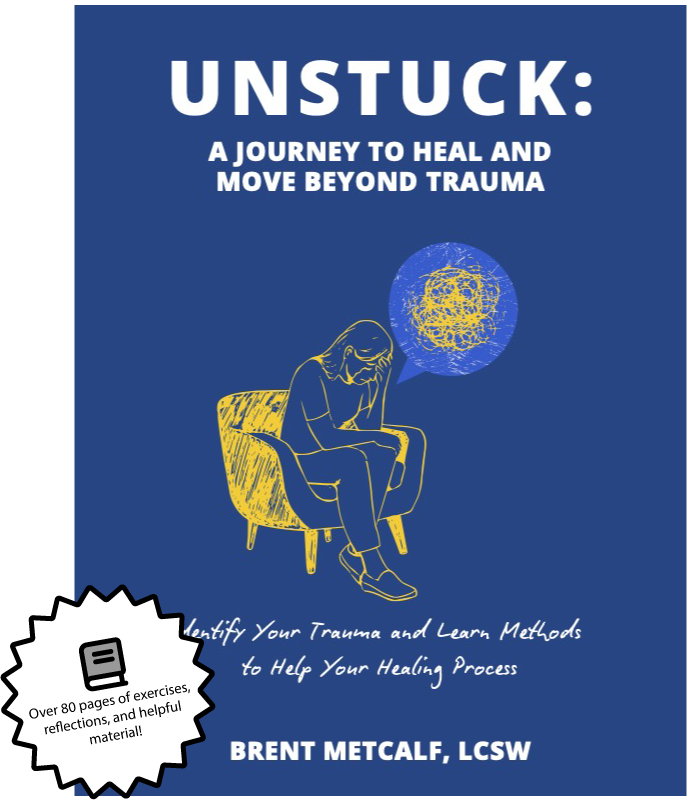
The UNSTUCK workbook is designed to help you move beyond trauma by answering key questions like, Can you get stuck at the age your trauma happened? Through guided exercises, you’ll explore different types of trauma and break free from patterns holding you back. Take the next step in your healing journey today!