Find out who, what, when, where, and why to consider EMDR therapy!
Topic Of Discussion
If you’re looking into therapy, chances are good that you’ve encountered the term EMDR. Short for Eye Movement Desensitization and Reprocessing, EMDR is a powerful psychotherapy technique designed to alleviate distress associated with traumatic memories. Wondering if it’s right for you, or what you need to do to prepare? Read on to get your questions answered.
WHO is EMDR right for?
EMDR is particularly effective for individuals dealing with trauma, including post-traumatic stress disorder (PTSD), anxiety, depression, and other forms of emotional distress. It is also beneficial for those who are stuck in their healing process.
WHAT is EMDR?
EMDR focuses on the brain’s ability to process and integrate experiences. It uses guided eye movements, or other forms of bilateral stimulation, to help reprocess disturbing memories. This allows those who need it to reframe these memories in a healthier, more adaptive way.
Wondering what specifically to expect from your sessions? Your therapist will work with you to:
Identify the memories that trouble you most
Have you focus on those memories while guiding you through bilateral stimulation
Reprocess your troubling memories and reduce their emotional intensity
WHEN is the best time for me to start EMDR?
If you’re struggling with low self-esteem or negative self-beliefs, feel overwhelmed by grief or loss, or have tried other forms of therapy without desired results, it might be time to try EMDR.
WHERE can I get EMDR therapy?
Tri-Star Counseling provides affordable therapy in Tennessee and Virginia. Call or message us, share some information with a team member, and schedule a consultation with us.
WHY would I pick EMDR over other therapies?
The goal of EMDR is to help you heal and move forward, using a method that has been proven to be effective for a wide range of emotional and psychological issues. By reframing troubling memories in a healthier, more adaptive way, you can feel free to move forward faster.
Wrapping it up
By learning more about EMDR, you’ve already taken the first step – and the information doesn’t stop here! Our compassionate and funny therapists at Tri-Star Counseling are ready to help you take your next steps toward peace and freedom from trauma and can answer any other questions you might have.
Identify Your Trauma
Learn Methods to Help Heal
Start Your Healing Journey Today!
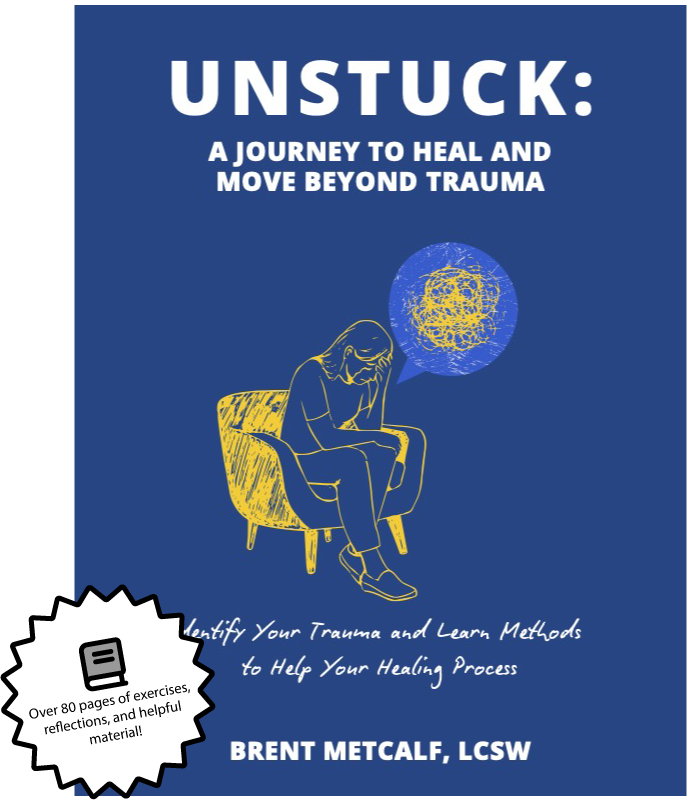
The UNSTUCK workbook is designed to help you move beyond trauma by answering key questions like, Can you get stuck at the age your trauma happened? Through guided exercises, you’ll explore different types of trauma and break free from patterns holding you back. Take the next step in your healing journey today!
EMDR therapy offers numerous benefits for individuals struggling with trauma and emotional distress. One of the primary advantages is its ability to provide rapid relief from symptoms associated with PTSD, anxiety, and depression. Many clients report significant improvements in their mental health and overall well-being after just a few sessions, making it a compelling option for those seeking effective treatment.
Additionally, EMDR helps clients reprocess and integrate traumatic memories, allowing them to confront and heal from past experiences. This therapeutic approach not only alleviates distress but also empowers individuals to develop healthier coping mechanisms and improve their self-esteem. By addressing the root causes of emotional pain, EMDR can lead to long-lasting positive changes in a person's life.
How EMDR Works: The Process Explained
Understanding how EMDR therapy works can demystify the process and help potential clients feel more comfortable seeking treatment. The therapy involves eight phases, starting with an assessment and preparation, where the therapist establishes a safe space for clients to explore their traumatic memories. Through guided eye movements or other forms of bilateral stimulation, clients are encouraged to recall distressing events while the therapist assists in processing the emotions and thoughts associated with those memories.
As clients progress through the phases, they learn to reframe their perceptions of the trauma, leading to reduced emotional charge and increased resilience. This structured approach not only promotes healing but also equips clients with tools to manage future stressors, making EMDR a comprehensive therapeutic option for those facing various mental health challenges.
Common Misconceptions About EMDR
Despite its growing popularity, there are several misconceptions surrounding EMDR therapy that can deter individuals from seeking help. One common myth is that EMDR is merely a fad or not a scientifically validated treatment. In reality, numerous studies have demonstrated its effectiveness, particularly for PTSD, and it is endorsed by organizations such as the American Psychological Association and the World Health Organization.
Another misconception is that EMDR is a quick fix for deep-seated trauma. While many clients experience rapid relief, the therapy requires commitment and active participation in the process. Understanding these misconceptions can empower individuals to make informed decisions about their mental health treatment and recognize the potential benefits of EMDR therapy.
What to Expect During Your First EMDR Session
Preparing for your first EMDR session can help alleviate anxiety and set the stage for a successful therapeutic experience. During the initial appointment, you will meet with your therapist to discuss your history, current challenges, and treatment goals. This collaborative approach ensures that the therapy is tailored to your specific needs and concerns.
As you begin the EMDR process, your therapist will guide you through the phases, explaining each step and encouraging you to express any feelings or thoughts that arise. It’s important to remember that you are in a safe environment, and your therapist is there to support you throughout the journey. Being informed about what to expect can enhance your comfort level and readiness to engage in this transformative therapy.
EMDR therapy offers numerous benefits for individuals struggling with trauma and emotional distress. One of the primary advantages is its ability to provide rapid relief from symptoms associated with PTSD, anxiety, and depression. Many clients report significant improvements in their mental health and overall well-being after just a few sessions, making it a compelling option for those seeking effective treatment.
Additionally, EMDR helps clients reprocess and integrate traumatic memories, allowing them to confront and heal from past experiences. This therapeutic approach not only alleviates distress but also empowers individuals to develop healthier coping mechanisms and improve their self-esteem. By addressing the root causes of emotional pain, EMDR can lead to long-lasting positive changes in a person's life.
How EMDR Works: The Process Explained
Understanding how EMDR therapy works can demystify the process and help potential clients feel more comfortable seeking treatment. The therapy involves eight phases, starting with an assessment and preparation, where the therapist establishes a safe space for clients to explore their traumatic memories. Through guided eye movements or other forms of bilateral stimulation, clients are encouraged to recall distressing events while the therapist assists in processing the emotions and thoughts associated with those memories.
As clients progress through the phases, they learn to reframe their perceptions of the trauma, leading to reduced emotional charge and increased resilience. This structured approach not only promotes healing but also equips clients with tools to manage future stressors, making EMDR a comprehensive therapeutic option for those facing various mental health challenges.
Common Misconceptions About EMDR
Despite its growing popularity, there are several misconceptions surrounding EMDR therapy that can deter individuals from seeking help. One common myth is that EMDR is merely a fad or not a scientifically validated treatment. In reality, numerous studies have demonstrated its effectiveness, particularly for PTSD, and it is endorsed by organizations such as the American Psychological Association and the World Health Organization.
Another misconception is that EMDR is a quick fix for deep-seated trauma. While many clients experience rapid relief, the therapy requires commitment and active participation in the process. Understanding these misconceptions can empower individuals to make informed decisions about their mental health treatment and recognize the potential benefits of EMDR therapy.
What to Expect During Your First EMDR Session
Preparing for your first EMDR session can help alleviate anxiety and set the stage for a successful therapeutic experience. During the initial appointment, you will meet with your therapist to discuss your history, current challenges, and treatment goals. This collaborative approach ensures that the therapy is tailored to your specific needs and concerns.
As you begin the EMDR process, your therapist will guide you through the phases, explaining each step and encouraging you to express any feelings or thoughts that arise. It’s important to remember that you are in a safe environment, and your therapist is there to support you throughout the journey. Being informed about what to expect can enhance your comfort level and readiness to engage in this transformative therapy.