Halloween Anxiety: Tips for Kids, Adults & Highly Sensitive Individuals
Category: Anxiety
Topic Of Discussion
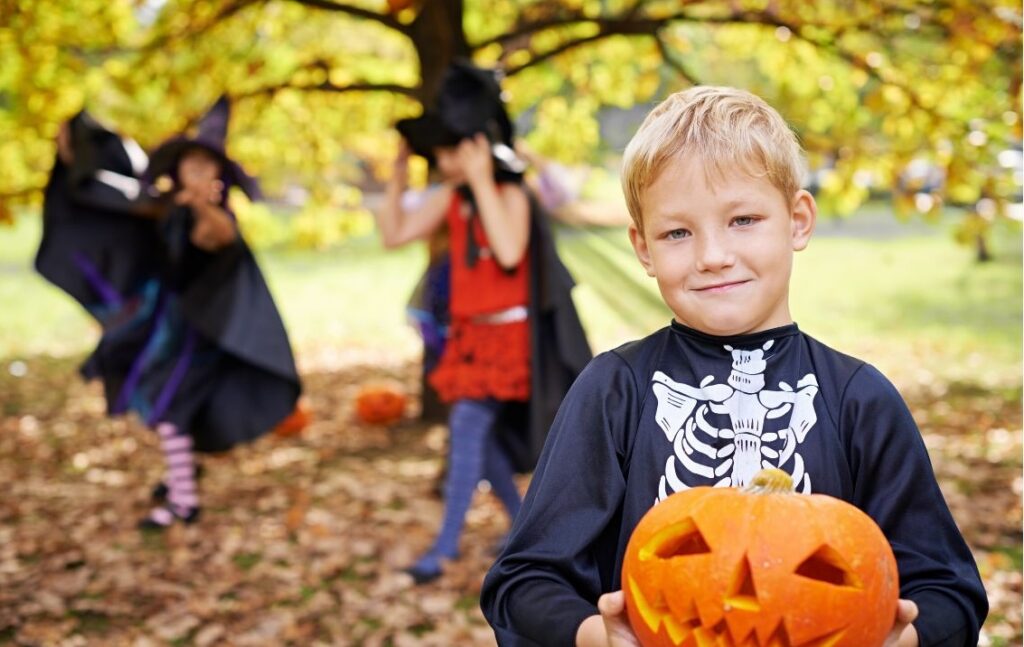
Halloween is often associated with costumes, candy, spooky decorations, and plenty of excitement. For some people, though, the holiday brings a different experience.
Crowded neighborhoods, unexpected scares, loud noises, and frightening imagery can make Halloween feel overwhelming rather than enjoyable. Children may struggle with costumes or decorations that seem too real, while adults can experience anxiety around social gatherings, overstimulation, or the pressure to participate.
For highly sensitive individuals, the combination of sensory input and emotional intensity may make the holiday particularly exhausting.
The good news is that enjoying Halloween doesn’t have to mean embracing every scary tradition. With a little preparation, flexibility, and understanding, it’s possible to celebrate in ways that feel comfortable and manageable.
Understanding Why Halloween Can Trigger Anxiety
Halloween brings together several experiences that can make the nervous system feel more alert than usual.
Frightening masks, sudden noises, flashing lights, and unfamiliar environments can trigger feelings of fear or discomfort. Even when we logically understand that something is pretend, our bodies may still react as though there’s a potential threat.
Adults aren’t immune to these reactions. People who experience anxiety, have a history of trauma, or are particularly sensitive to sensory stimulation may find certain Halloween activities uncomfortable.
Social expectations can add another layer. Feeling pressured to attend a party, wear a costume, or participate in activities that don’t feel enjoyable can turn a festive occasion into a source of stress.
Recognizing what makes Halloween difficult for you or your child is a helpful first step toward creating a more comfortable experience.
Helping Children Feel Safe and Comfortable on Halloween
Children experience Halloween differently depending on their age, temperament, and comfort with unfamiliar situations.
One child might love haunted houses and scary costumes, while another becomes frightened by a decoration outside the grocery store. Neither reaction is wrong.
Preparation can help reduce some of the uncertainty.
Talk with your child about what they might see, including costumes, decorations, and people pretending to be scary. Explain that some things are designed to look frightening but aren’t real.
Giving children choices can also help them feel more comfortable. They might prefer visiting a few familiar houses instead of walking through a crowded neighborhood, choosing a comfortable costume, or celebrating at home.
Pay attention to signs that your child has had enough. Increased clinginess, irritability, tears, or withdrawal may indicate that the experience has become overwhelming.
If your child becomes frightened, acknowledge what they’re feeling rather than immediately reassuring them that there’s nothing to be scared of.
A simple response such as “That costume looked really scary to you. We can move somewhere quieter” communicates understanding while helping them feel safe.
Halloween memories don’t have to involve elaborate activities. A few enjoyable moments can be more meaningful than an evening spent pushing through discomfort.
Managing Halloween Anxiety as an Adult
Halloween anxiety isn’t limited to childhood.
For adults, the holiday may bring discomfort related to crowded parties, social pressure, frightening attractions, or unexpected interactions. Others find themselves feeling overstimulated by the constant activity, noise, and excitement.
There’s also the pressure to enjoy an event simply because everyone else seems to be having fun.
Recognizing your own limits can make the holiday easier to navigate.
Before committing to an event, consider what aspects might feel stressful and whether there are ways to make the experience more comfortable. Attending for a shorter period, bringing someone you trust, or choosing a smaller gathering may help.
Give yourself permission to decline activities that genuinely don’t appeal to you. Enjoying Halloween doesn’t require visiting a haunted house or attending a crowded costume party.
If anxiety begins building during an event, stepping outside, finding a quieter space, or practicing slow, comfortable breathing can help you regain a sense of calm.
The most enjoyable version of Halloween is often the one that reflects your preferences rather than everyone else’s expectations.
Halloween Tips for Highly Sensitive Individuals
For people who experience heightened sensory or emotional sensitivity, Halloween can involve a lot to process at once.
Bright decorations, flashing lights, loud music, strong smells, uncomfortable costumes, and unpredictable interactions can quickly become overwhelming.
Highly sensitive individuals may also react strongly to frightening imagery or the emotional atmosphere of a crowded environment.
Planning around these sensitivities can make a meaningful difference.
Consider choosing costumes made from familiar, comfortable fabrics rather than materials that feel restrictive or irritating. Look for quieter events, visit attractions during less crowded hours, or celebrate in familiar surroundings.
Building breaks into the evening can also help prevent sensory overload. A few minutes away from the activity may be enough to make the rest of the experience more manageable.
For children and adults alike, having an exit plan can reduce anxiety. Knowing that leaving is an option often makes participating feel less intimidating.
Sensitivity isn’t something that needs to be overcome to enjoy a holiday. Understanding your needs and making adjustments allows you to participate in ways that feel more comfortable.
Creating Halloween Traditions That Work for You
One of the most helpful ways to reduce Halloween anxiety is to reconsider what celebrating actually needs to look like.
Traditional activities aren’t the only way to enjoy the season.
A quiet movie night, pumpkin decorating, baking fall treats, or spending time with a few close friends can create meaningful memories without the pressure of large crowds or frightening experiences.
Families might choose daytime trick-or-treating events, visit familiar neighbors, or create their own Halloween activities at home.
For individuals who enjoy parts of the holiday but struggle with others, finding a balance can help. You might love decorating pumpkins but prefer to skip haunted attractions, or enjoy dressing up while avoiding crowded parties.
There’s no requirement to participate in every tradition.
Creating an experience that respects your emotional and sensory needs can help make Halloween feel less like something to get through and more like something you can genuinely enjoy.
Finding Comfort in the Season
Halloween can bring excitement, creativity, and opportunities for connection, but it can also create genuine anxiety for people of all ages.
Understanding your triggers, preparing for challenging situations, and allowing yourself flexibility can help make the holiday more manageable.
For parents, this may mean adjusting expectations and following your child’s lead. Adults may benefit from recognizing their own boundaries, while highly sensitive individuals might find comfort in creating celebrations that accommodate their sensory and emotional needs.
If anxiety regularly interferes with daily activities, relationships, or experiences you’d like to enjoy, speaking with a mental health professional can help you better understand those responses and develop coping strategies.
You deserve to enjoy the season in a way that feels comfortable, safe, and true to you.