Cultivating The 7 Cs of Resilience
Category: Misc.
Getting back on your feet after setbacks can be tough. If you’re feeling beaten down, cultivating the ” 7 Cs” of resilience is key.
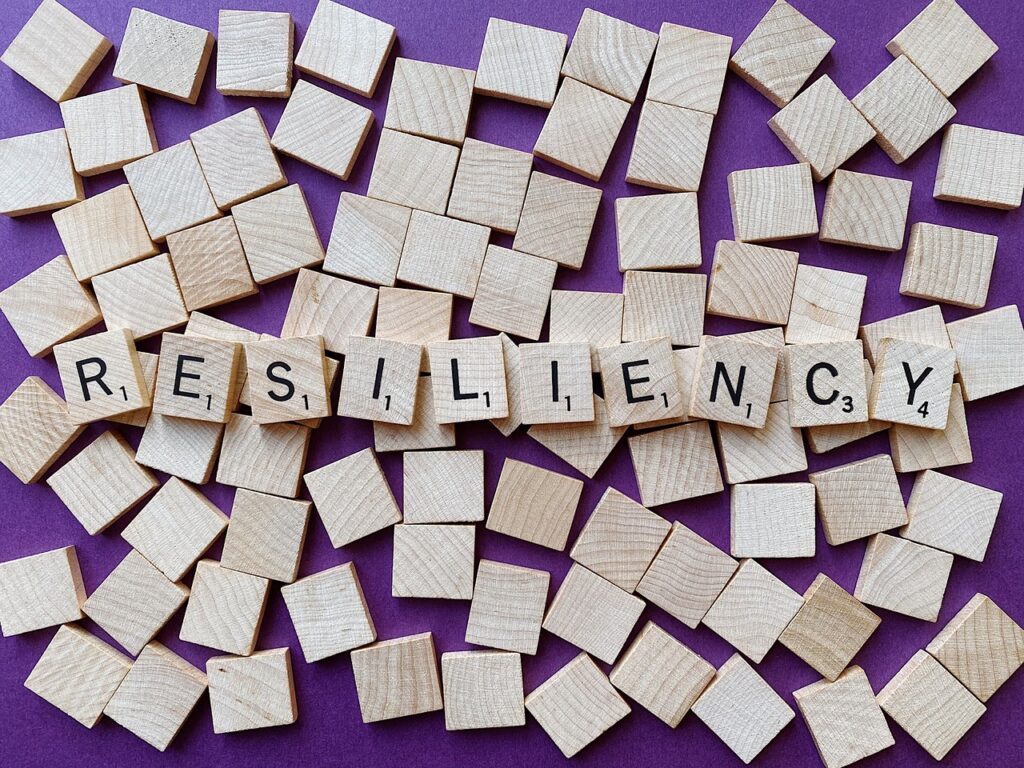
Topic Of Discussion
Let’s start with a phrase you’ve probably heard more times than you can count: “If at first you don’t succeed, try, try again.”
Hardly anybody ever succeeds on the first try. Still, no matter how many times you’ve heard it said, getting back on your feet after setbacks can be tough. If you’re feeling beaten down, cultivating resilience is key.
Wondering how to do this? Or what resilience even isreally? Read on.
We can break down resilience using the 7 Cs:
- Competence: is your ability to handle challenges because you’ve developed real skills and knowledge. When you trust your capabilities, setbacks feel less like roadblocks and more like problems you can work through. Building competence comes from practice, learning, and allowing yourself to grow through mistakes.
- Confidence: grows when you see yourself overcoming difficulties and succeeding, even in small ways. It’s the belief that you can rely on yourself to navigate whatever comes next. With confidence, challenges become opportunities instead of threats.
- Connection: through strong relationships provides support, perspective, and encouragement when life gets heavy. Knowing you’re not facing challenges alone can make them feel much more manageable. Connection also helps you stay grounded and reminds you that asking for help is a strength.
- Character: is about knowing your values and acting in alignment with them, especially when tested. It helps you make choices you can stand by, even in uncertain moments. A strong sense of character can anchor you when the world feels shaky.
- Contribution: boosts your sense of purpose and resilience. When you contribute – whether to a community, a project, or a person – you reinforce your own worth. This creates a positive cycle where giving strengthens your capacity to keep going.
- Coping: is how you deal with stress, big emotions, and sudden changes. Healthy coping strategies — like talking things out, exercising, or setting boundaries—help you stay steady during difficult times. The stronger your coping toolbox, the faster you can regain balance after setbacks.
- Control: Control comes from focusing on the things you caninfluence rather than what you can’t. When you shift your attention to actionable steps, you feel less overwhelmed and more empowered. Understanding your sphere of control helps you respond thoughtfully instead of reacting out of fear or frustration.
Wrapping it up:
The short version of all of this is: a) resilience is key b) cultivating the components of resilience – your 7 C’s – takes multiple tries and c) you don’t have to develop these skills alone. If you’re looking for support, our professional counselors at Tri-Star Counseling are ready to encourage you to keep getting back up if you’re down, until it won’t seem so hard to get up anymore.