Play Therapy Techniques Parents Can Use at Home
Category: Misc.
Topic Of Discussion
Kids don’t always come right out and say what’s wrong. Instead, you might notice it in the way they slam a door a little harder than usual, burst into tears over something small, or suddenly cling to you when it’s time to separate. These moments can feel confusing (and honestly, exhausting), but they’re also meaningful. They’re your child’s way of communicating that something inside feels too big, too messy, or too hard to put into words.
The good news? Play therapy techniques aren’t just for the therapy room. There are simple, effective ways parents can use play therapy at home to help children express emotions, build coping skills, and feel more understood.
How to Create a Play Therapy Space at Home
You don’t need a fully stocked playroom or anything Pinterest-worthy. What matters most is creating a space that feels safe, calm, and predictable for your child.
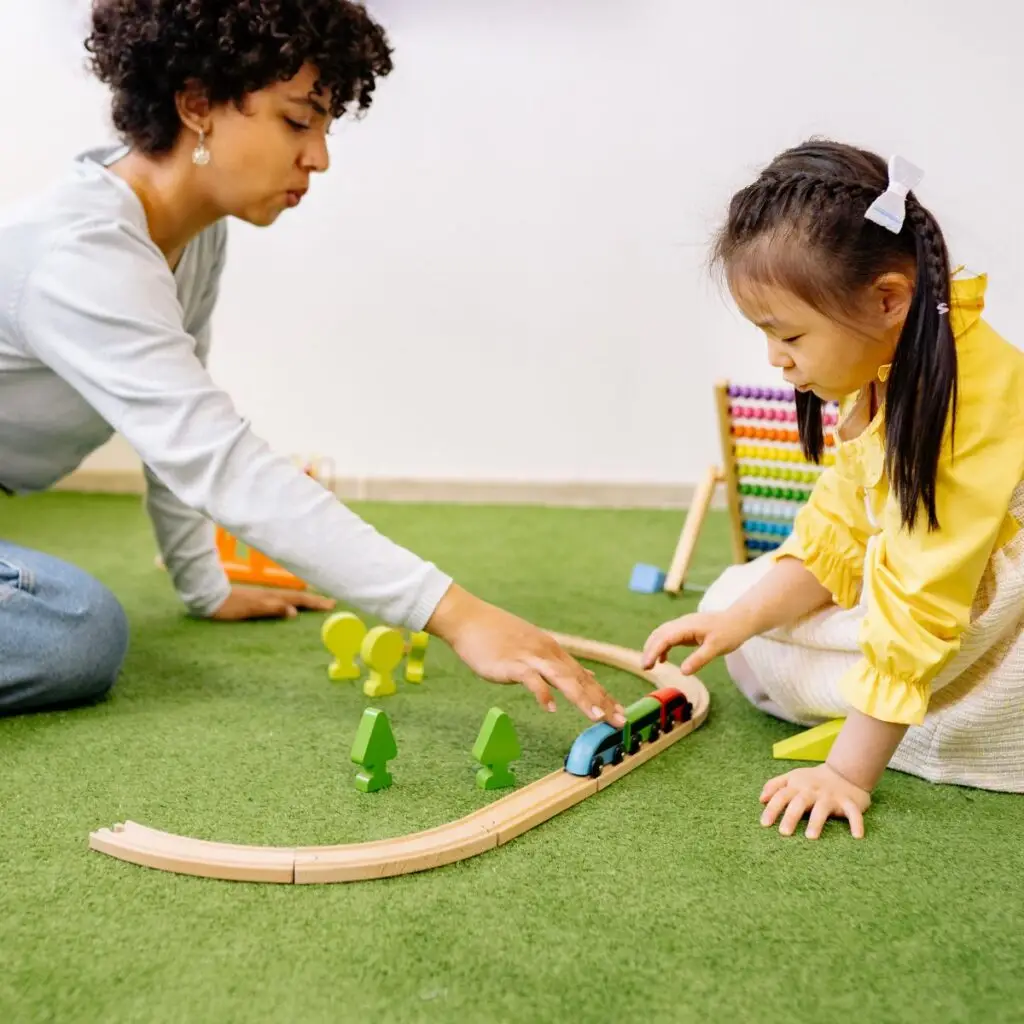
This could be as simple as a small corner with a few toys, art supplies, or sensory items. Think: crayons, paper, stuffed animals, blocks, or even a bin of random “treasures.” What you’re really building is a space that quietly says, “You can be yourself here.”
Try to keep distractions minimal and let your child take the lead. You’re not there to direct or correct, just to be present.
How Play Therapy Helps Kids Express Emotions
One of the most powerful play therapy techniques for parents is learning to see play as communication.
If your child is acting out a story with dolls, crashing toy cars, or drawing intense scenes, they may be expressing something they don’t yet have words for. Instead of asking a lot of questions or trying to interpret everything, try simple observations:
- “That looks like a really big crash.”
- “It seems like that character is feeling pretty mad.”
- “I notice you keep rebuilding that tower.”
This helps your child feel seen without pressure and supports emotional awareness over time.
Follow Your Child’s Lead During Play
When using play therapy at home, it can be tempting to guide the activity or turn it into a teaching moment. But one of the most effective techniques is actually stepping back.
If your child wants to play the same game over and over again, there’s usually a reason. Repetition helps children process experiences, work through emotions, and feel a sense of control.
Your role is simple (but powerful): stay present, stay curious, and let them lead.
Simple Play Therapy Activities Parents Can Try at Home
If you’re wondering how to do play therapy at home, it doesn’t have to be complicated. These simple play therapy activities can help your child explore feelings in a safe, approachable way:
- Imaginative play: Use stuffed animals or figurines to act out everyday challenges (like school, friendships, or bedtime fears)
- Art expression: Let your child draw or paint their feelings, no rules, no “right way”
- Storytelling: Take turns adding to a story and notice what themes show up
- Role play: Practice tricky situations (like sharing or handling frustration) through pretend scenarios
Often, your child will naturally guide these activities in the direction they need most.
Using Play to Build Coping Skills
Play therapy techniques alsohelp children develop coping skills in a way that feels natural, not forced.
You can:
- Practice deep breathing by pretending to blow up balloons
- Use games to build patience and turn-taking
- Act out problem-solving situations with toys
- Create a simple “calm-down kit” together
Over time, these small, playful moments help your child build confidence and learn how to manage big emotions.
Consistency Matters More Than Perfection
You don’t need to do play therapy at home perfectly, or for hours at a time. Even 10–15 minutes of intentional, child-led play a few times a week can make a meaningful difference.
Consistency helps your child feel safe and supported, but flexibility matters too. Some days will feel easy and connected, and others might not. What matters most is that you keep showing up.
When to Consider Professional Play Therapy
While using play therapy techniques at home can be incredibly helpful, some children benefit from additional support.
If your child seems consistently overwhelmed, withdrawn, or is struggling with big emotions that aren’t improving over time, working with a play therapist can provide deeper guidance and care.
Supporting Your Child Through Play
Supporting your child emotionally doesn’t have to mean having all the right words. Sometimes, it looks like sitting on the floor, following their lead, and letting play do the talking.
By using simple play therapy techniques at home, you’re helping your child express emotions, build coping skills, and feel safe being exactly who they are. And while it might look like “just playing,” it’s actually something much bigger: connection, confidence, and healing.
If you’re looking for additional support, play therapy can offer a gentle, structured way to help your child navigate life’s ups and downs, and feel more like themselves again.