Understanding The Science of Substance Use Recovery
Category: Substance Use & Behavioral Recovery
Substance use recovery is possible and starts with understanding the brain.
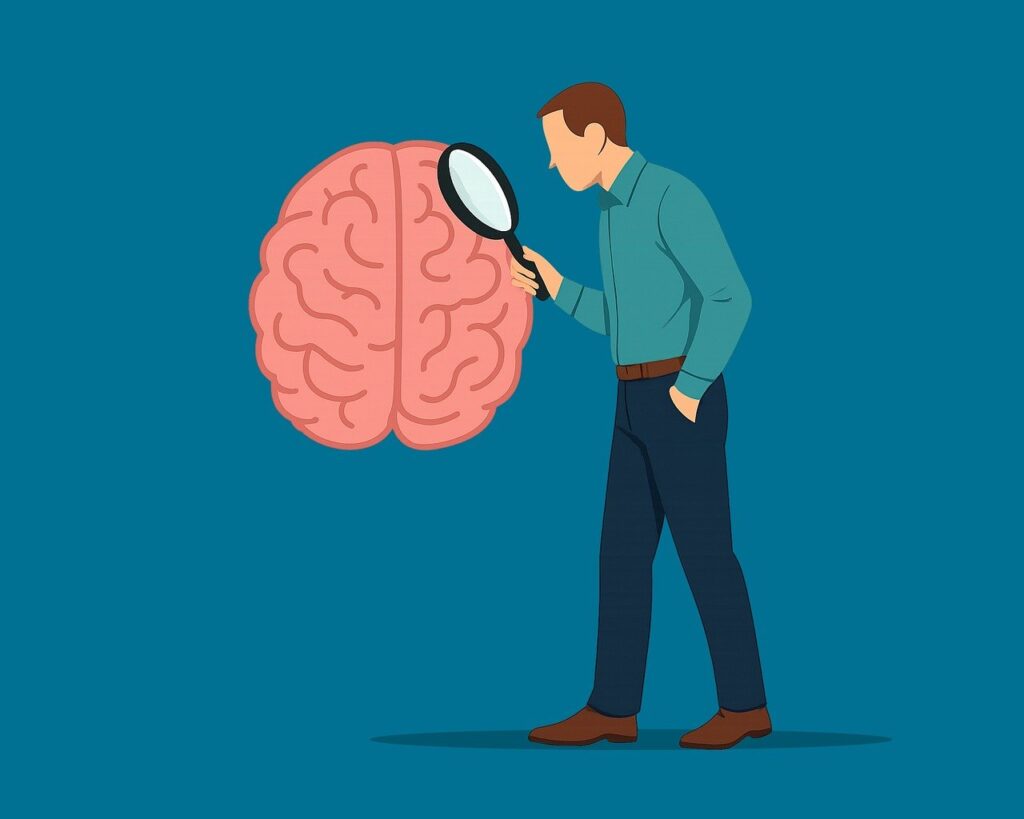
Topic Of Discussion
All too often, shame and substance use go hand in hand, as people who rely on substances are characterized as “weak,” with a lack of willpower. Not only does this perspective lack compassion, it is also just scientifically inaccurate!
In fact, substance use is a complex brain disease, influenced by genetic, environmental, and behavioral factors. Substances induce major alterations in brain chemistry, making them especially difficult for even the strongest people to quit.
So, whether it’s you or a loved one who is seeking recovery, read on to understand the science behind it and cultivate hope. Recovery is possible and starts with understanding the brain.
Understanding Dopamine
Dopamine is the key chemical in the brain’s reward system. Under normal physiological conditions, dopamine is released in response to naturally rewarding stimuli – such as food, social interaction, or goal attainment – eliciting feelings of pleasure and reinforcing behaviors essential for survival and learning.
Frequently used substances like drugs or alcohol, however, flood this system with an excessive release of dopamine, often at concentrations far exceeding those produced by natural rewards. This surge feels pleasurable in the moment, but with continued use, the brain adapts. In other words, the more someone seeks a dopamine hit by taking substances, the more they’ll quite literally need the substance to feel normal.
Understanding Tolerance
This neurological normalization of the substance is known as tolerance. As problematic substance use progresses, tolerance leads to a major reorganization of the brain‘s chemistry, as it begins to associate the substance itself with a need to survive, just like food or sleep. Rather than a lack of willpower, someone using substances is, mentally speaking, just trying to survive.
Wrapping it up
This drive to survive shines in the recovery process. Recovery necessitates significant courage, perseverance, and often, professional intervention.
Tri-Star Counseling is dedicated to helping you break free from harmful behavior cycles through positive support and therapeutic, science-based treatment. Our goal is to guide you towards a healthier, more fulfilling life and a brighter future. Seek the assistance you need now to initiate positive change.